


Why Is My AC Leaking Water? Stop the Drip Today
- Rockwall Electric

- Feb 10
- 5 min read
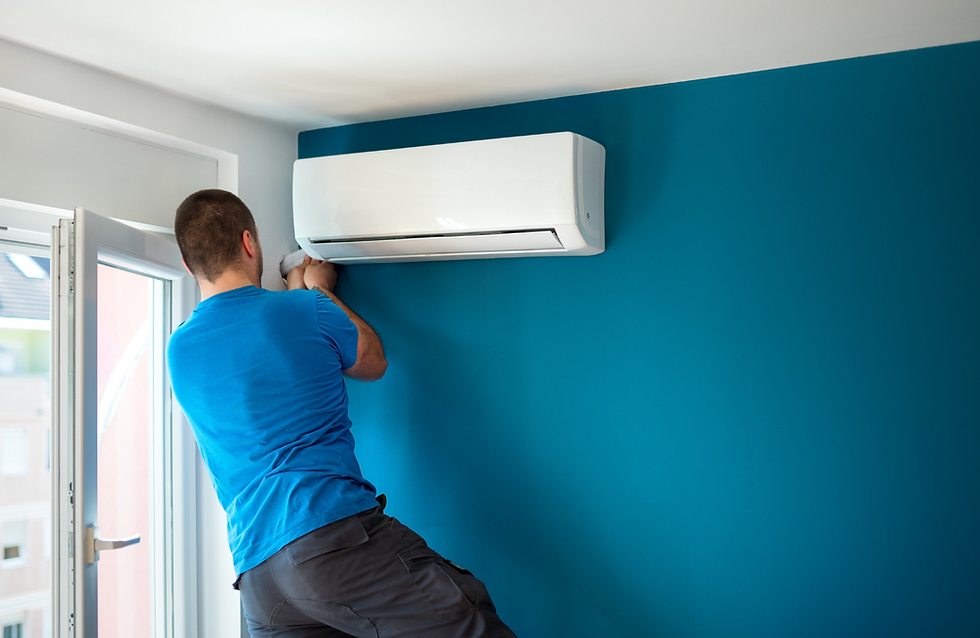
Finding a puddle under your air conditioner can be frustrating and even alarming. You may be asking yourself, why is my AC leaking water and what does it mean? While some moisture is normal, ongoing leaks usually point to an underlying issue that needs attention.
Whether you have an AC leaking water inside the house or an AC leaking water outside unit, ignoring the problem can lead to expensive repairs, water damage, or even mold growth. Let’s break down why your air conditioner may be leaking and what you can do about it.
How Air Conditioners Create Water
Your air conditioning system works by pulling warm air from inside your home and passing it over a cold evaporator coil. As the air cools, humidity in the air condenses into water droplets. These droplets collect in a drain pan and exit through a drain pipe known as the condensate line.
When everything functions properly, you may notice a small amount of dripping outside. However, if something clogs, freezes, or breaks, you can end up with an AC condensation problem and a steady leak where it doesn’t belong.
AC Leaking Water Inside the House
Seeing your AC leaking water inside the house is never a good sign. Water on the floor, around vents, or dripping from ceilings means condensation isn’t draining properly. Several causes are common:
1. Air Conditioner Drain Line Clogged
A clogged condensate drain line or air conditioner drain line clogged is the top reason for leaks indoors. Dust, algae, and debris collect inside the line over time, blocking water flow. When that happens, condensation backs up into the drain pan and spills over.
Fix:
Turn off your AC system, attach a wet dry vacuum to the outdoor end of the drain line, and try to suction the clog out. Flushing the line with vinegar and water can help prevent future buildup.
2. Dirty Air Filters
Dirty air filters restrict airflow, forcing your HVAC system to work harder. This can cause the evaporator coil to freeze, leading to water overflow when it melts.
Fix:
Replace air filters every month or as recommended by your technician. Clean airflow prevents frozen coils and keeps your home cooler and more energy efficient.
3. Damaged Drain Pan
A damaged drain pan may develop cracks or rust holes, letting water leak before it reaches the drain pipe.
Fix:
Replace the pan and inspect for other causes, such as restricted airflow or coil freezing.
4. Broken Condensate Pump
Homes with basement or attic installations often use a pump to move water outside. A broken condensate pump will cause standing water near your air conditioning unit.
Fix:
Call for professional AC repair to replace the faulty pump and prevent further water damage.
Frozen Evaporator Coil
A frozen evaporator coil or frozen coils are another major reason your air conditioner leaks. When airflow is restricted or refrigerant levels are low, the coil’s temperature drops below freezing. Ice forms, and when it melts, water overflows the drain pan.
Causes of Coil Freezing
Dirty air filters reducing airflow
Low refrigerant levels or refrigerant leaks
Blocked return vents
Malfunctioning blower motor
Fix:
Shut off your air conditioning system and allow the coil to thaw completely. Replace the filter and have a professional check for refrigerant leaks. Never attempt to handle refrigerant yourself, as it requires special tools and certification.
If the problem is ignored, your HVAC system will work harder, using more energy and shortening its lifespan.
AC Leaking Water Outside Unit
It’s normal to see your AC leaking water outside unit occasionally during hot or humid days. The system naturally releases condensation while cooling your home. However, excessive or constant dripping may suggest a deeper problem.
Possible Causes
Air conditioner drain line clogged
Frozen evaporator coil melting
Low refrigerant levels causing overcooling
AC condensation problem creating overflow
If you notice a steady stream of water even when your air conditioning unit is turned off, schedule an inspection right away.
Why Air Conditioner Drips Water
Homeowners often wonder why air conditioner drips water even after they’ve replaced filters or cleaned the system. The dripping is usually part of the cooling process, but when the drain line or drain pipe becomes blocked or the evaporator coil freezes, water can overflow.
Humidity also plays a role. On humid days, your air conditioning system removes more moisture, so a little water outside is fine. But if you hear dripping inside or see stains near vents, you likely have a drainage or freezing issue that needs professional AC repair.
Other Common AC Condensation Problems
Restricted Airflow
When airflow is blocked by dirty air filters or closed vents, the evaporator coil becomes too cold and can freeze. Once thawed, the melted ice overwhelms the drain pan and leaks inside.
Low Refrigerant Levels
Low refrigerant levels or small refrigerant leaks cause the same freezing effect. These issues not only lead to leaks but also reduce your system’s cooling power and energy efficiency.
Poor Indoor Air Quality
An air conditioner that leaks or runs inefficiently can also impact your indoor air quality. Standing water or mold inside the system releases spores and musty odors into your living space. Keeping your system clean helps maintain a healthy environment.
How to Prevent Future Leaks
Replace filters often. Clean filters reduce strain and prevent coil freezing.
Clean the condensate line. Flush with vinegar every few months to stop algae growth.
Check the drain pan. Replace any corroded or damaged drain pan immediately.
Inspect refrigerant levels. Low refrigerant leads to a frozen evaporator coil and leaks.
Schedule regular maintenance. Professional tune-ups include checking the air conditioner drain line, drain pipe, and evaporator coil for early warning signs.
Routine maintenance keeps your HVAC system efficient and reduces the chances of costly water damage.
When to Call for AC Repair
If you’ve cleared the line and replaced filters but still see an AC leaking water inside the house, it’s time for professional service. A trained technician can locate hidden clogs, fix refrigerant leaks, replace a broken condensate pump, and ensure your air conditioning system drains properly.
Prompt AC repair prevents mold growth, protects your indoor air quality, and helps your air conditioning unit last longer.
The Bottom Line: Why Is My AC Leaking Water and How to Stop It
If you’re asking, why is my AC leaking water, don’t wait to find out the hard way. Whether it’s a clogged condensate drain line, frozen evaporator coil, or AC condensation problem, leaks are a sign that your HVAC system needs attention.
With routine maintenance, clean filters, and timely AC repair, you can prevent leaks, protect your home from water damage, and enjoy cleaner, healthier air all year long.


Comments